
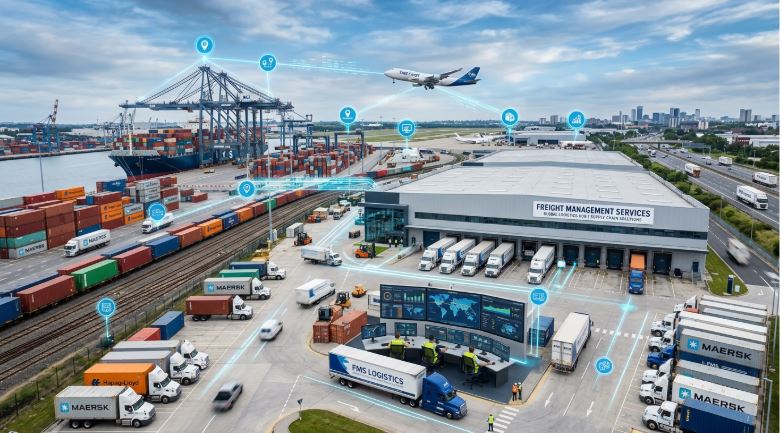
In the modern commercial landscape, logistics is frequently treated as a utility, a simple back-office function that only requires attention when a delivery fails to arrive. Many growing enterprises focus their strategic energy on product development, marketing campaigns, and sales pipelines, operating under the assumption that the physical movement of goods will naturally take care of itself. However, this hands-off approach to distribution overlooks a critical vulnerability. When transport operations are left unmanaged, small, compounding inefficiencies in dispatch scheduling, route selection, and carrier selection quietly erode profit margins long before any major supply chain disruption occurs.
Establishing a resilient distribution model requires a deliberate transition away from ad-hoc, reactive dispatching. When scaling enterprises seek to insulate their operations from volatile market fluctuations, partnering with experienced Freight Management Services providers ensures that logistics operations are governed by strategic planning rather than daily crises. This proactive alignment allows businesses to consolidate their shipping volumes, negotiate sustainable carrier rates, and implement robust tracking systems that protect both the bottom line and the customer experience.
SECTION I: THE SPOT-RATE TRAP AND SYSTEMIC INEFFICIENCY
The most immediate financial consequence of poor freight planning is the heavy reliance on the spot market. When an organisation fails to forecast its transport requirements in advance, it is forced to secure transport capacity at the last minute, leaving it entirely exposed to sudden market spikes and seasonal capacity shortages. Booking freight reactively means paying premium rates for standard transit times, a practice that can quickly turn a profitable product line into a financial loss.
Beyond the direct cost of transport, reactive logistics introduces severe administrative strain into an organisation. When dispatch teams spend their mornings frantically calling multiple carriers to secure a single truck, valuable labor is diverted away from core operations. This administrative friction often leads to inaccurate paperwork, missed pick-up windows, and expensive demurrage fees at loading docks. These hidden costs are rarely captured in standard freight invoices, yet they represent a significant, continuous drain on corporate resources that can easily be avoided through centralised coordination.
SECTION II: SAFEGUARDING CUSTOMER TRUST AND MARGINS
The damage caused by unstructured freight planning extends far beyond the accounts department, directly impacting client relations and brand reputation. In an era of rapid fulfillment, commercial buyers and retail consumers alike expect absolute transparency and predictability in their deliveries. When a business relies on a fragmented network of unvetted carriers, it loses control over the final mile of delivery, resulting in inconsistent transit times, damaged cargo, and a complete lack of real-time tracking updates.
A single delayed shipment or damaged delivery can destroy years of accumulated customer goodwill, leading to cancelled contracts and negative reviews. By implementing a structured distribution strategy, businesses can establish clear key performance indicators for their carriers, ensuring that every consignment is handled with the appropriate level of care and speed. This systematic oversight transforms logistics from an unpredictable cost centre into a powerful competitive advantage, allowing organisations to deliver on their brand promises with absolute consistency.
The true value of robust freight planning lies in its ability to bring predictability to an unpredictable global market. Shifting away from last-minute transactional bookings in favour of structured, long-term transport partnerships ensures that your supply chain remains resilient, your workers stay focused on growth, and your business retains the margins required to scale with confidence.